

Persa Biobío: An Entire Neighborhood of Flea Market
Updated: Aug 28
We made it to Persa Biobío by bus—our first bus ride beyond Santiago proper, beyond the Spanish architecture and curated parks.

Persa Biobío is not a flea market. It is an entire neighborhood of flea market.
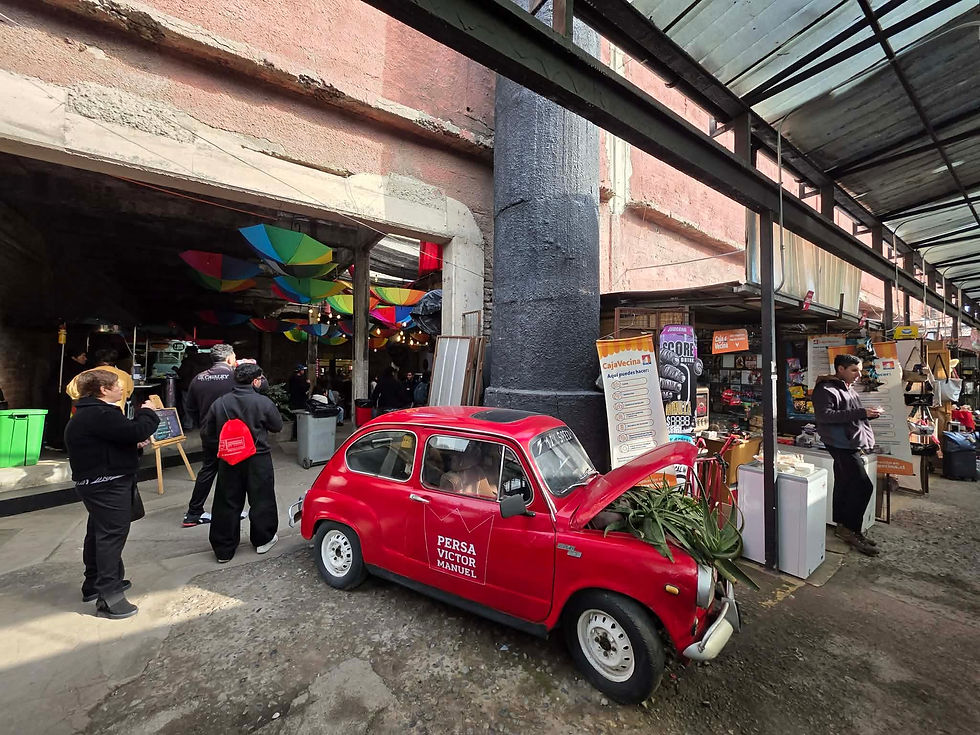
Walk down one street and there are stalls. Turn the corner and there are more. Step inside one of the enormous buildings and it becomes a maze of tiny stores, counters and tables. Come back outside and it just keeps going.

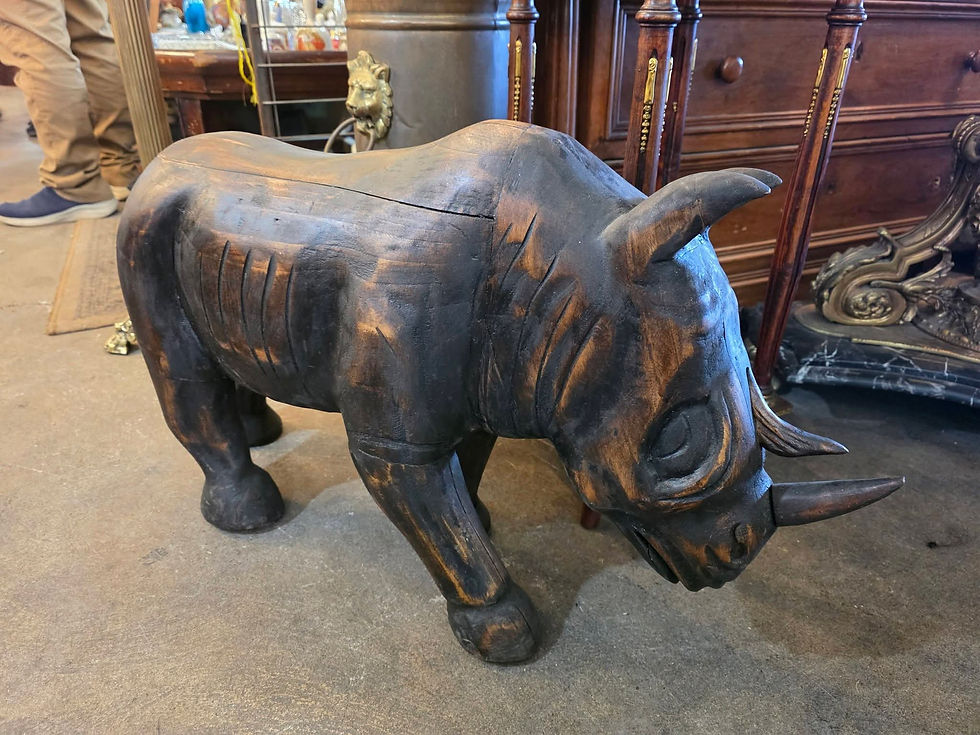
And they sell everything. Useful things, and cool, useless things. A stone rhinoceros. Cassette tapes with somebody's handwriting still on the labels. Cameras from every decade. VHS tapes. Jeweled insects. Stereo equipment stacked nearly to the ceiling. The Jetsons: The Complete First Season.


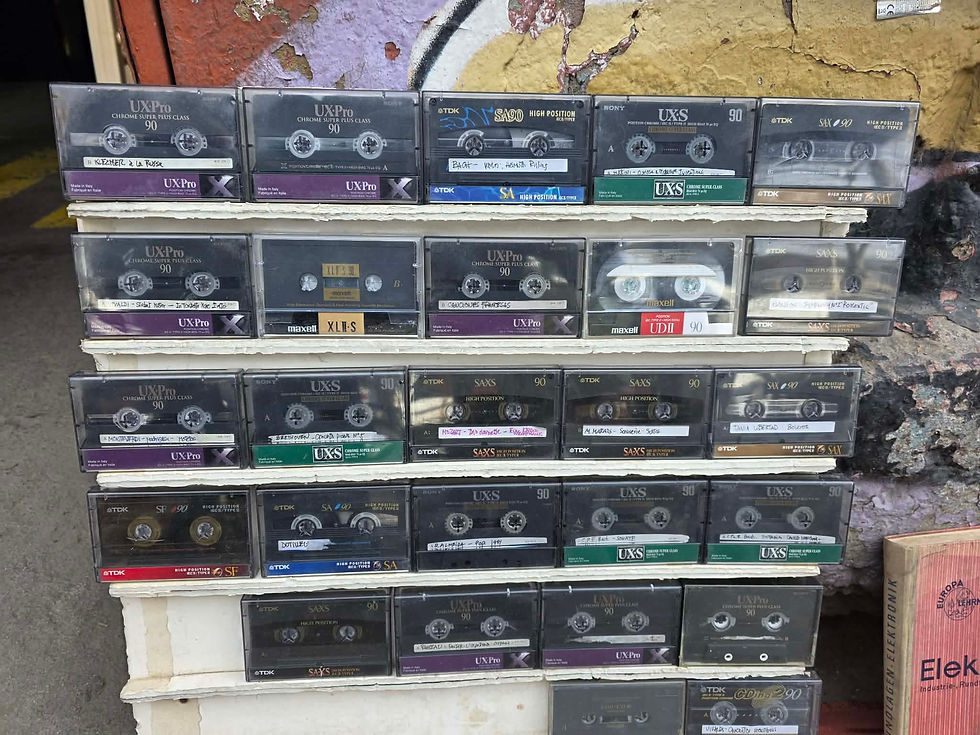

There are people making a living in proper little shops selling jewelry, tools and antiques, and a few feet away someone has spread a blanket on the ground covered with what looks like the combined contents of three different attics.

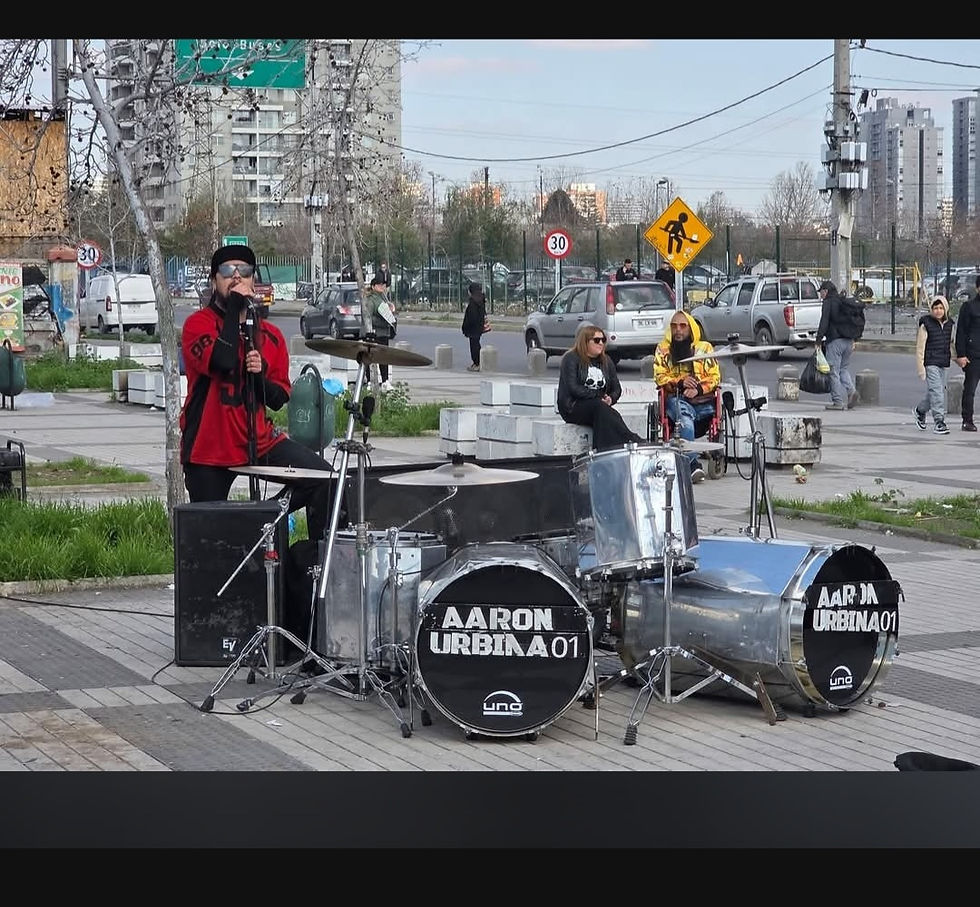
Street drummer Aarón Urbina was turning the sidewalk into a metal concert, hammering away at a full drum kit to rock and metal tracks while people stopped to watch.
You wander into a building, back onto a street, around another corner and into another building.
And every once in a while, turn around.
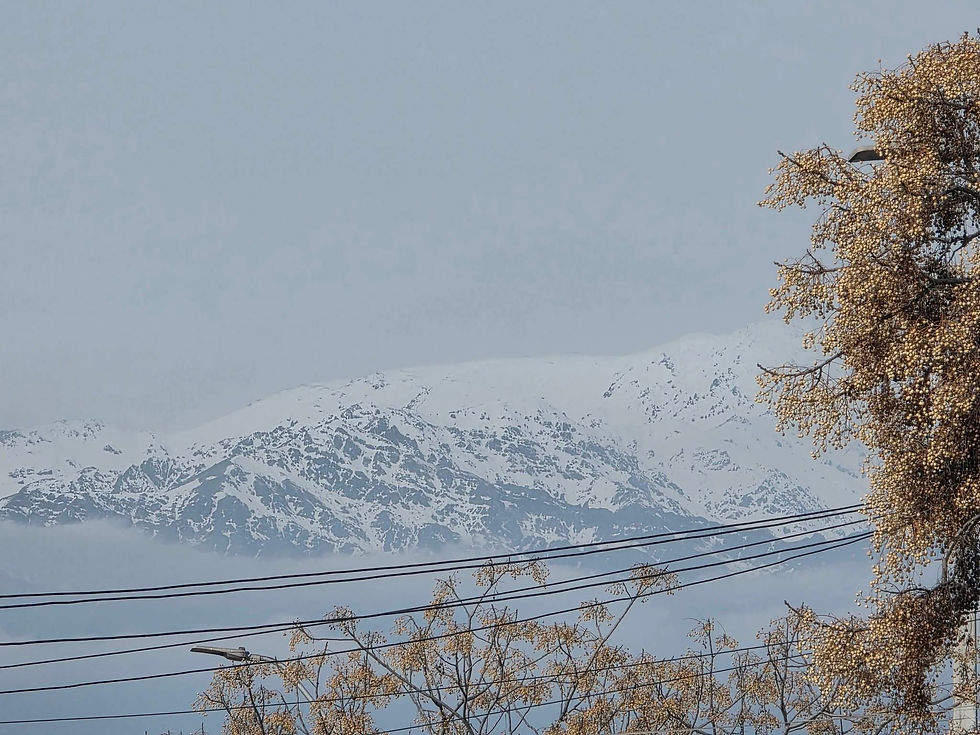
Behind the whole sprawling, chaotic thing are the snow-covered Andes.
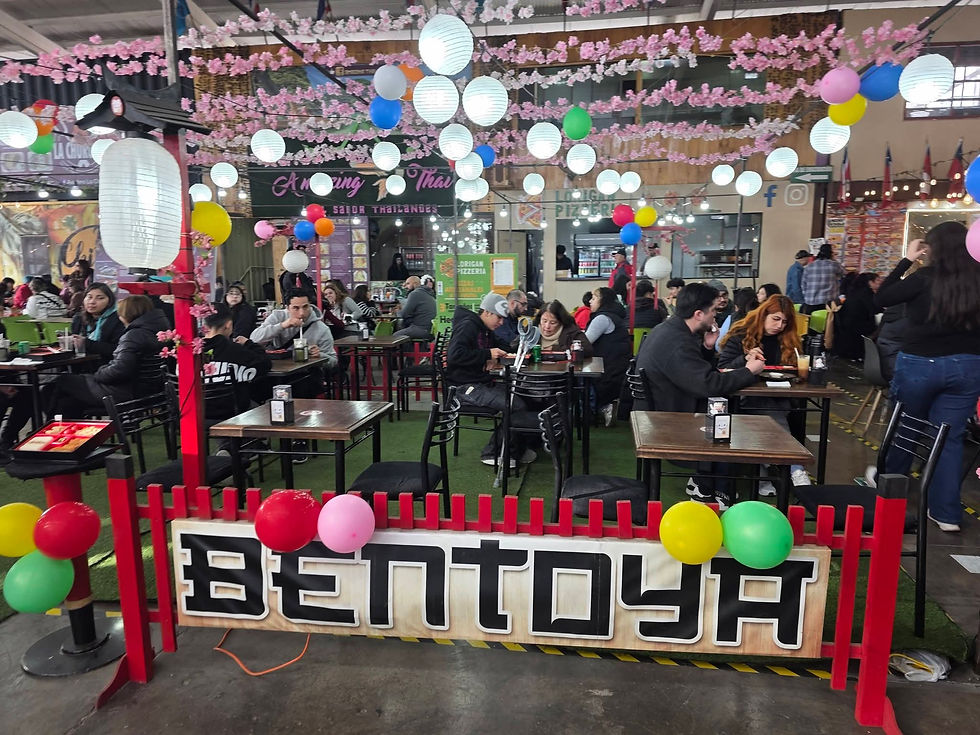
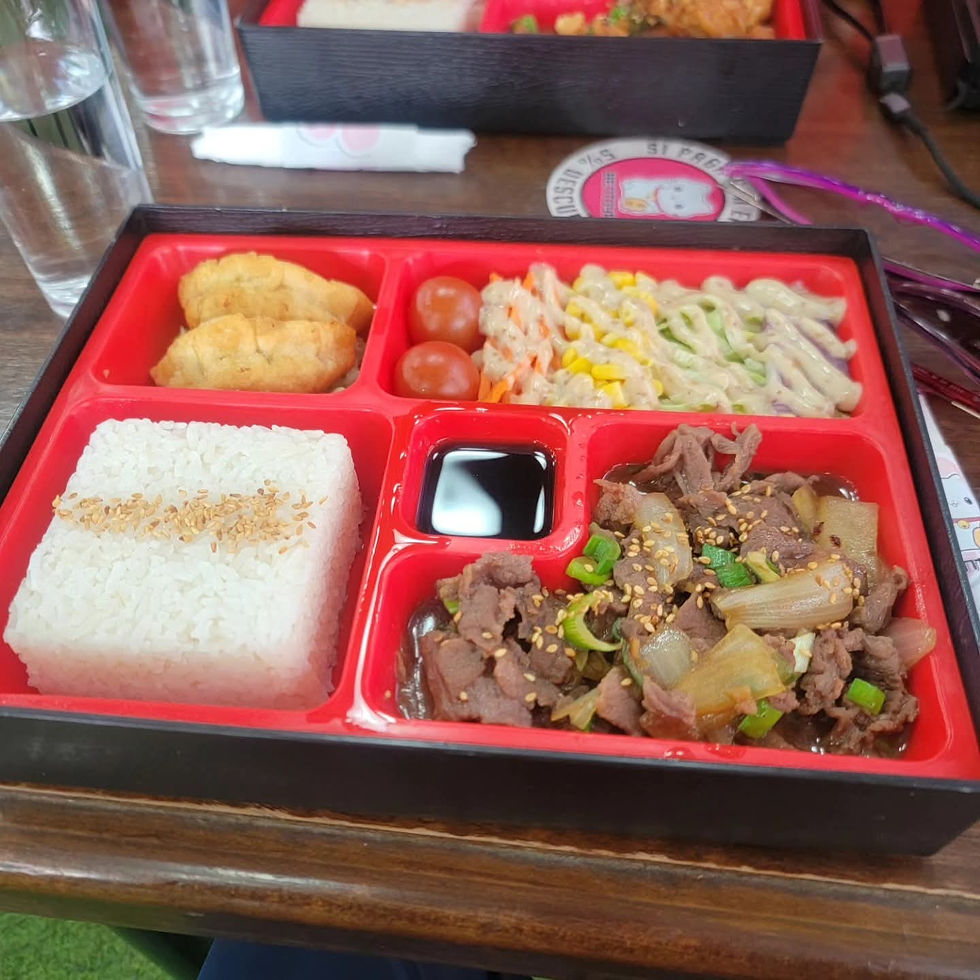
And then there was the food. It was everywhere—fast food, tea, pastries and full sit-down restaurants. In the middle of all that organized chaos, we found a little oasis and sat down for bento boxes. Chile has an abundance of fresh, healthy food, making it remarkably easy to eat well without feeling like you're sacrificing anything.
The bento boxes were delicious.

But there's a reason Persa Biobío looks the way it does, particularly those enormous old industrial buildings.
Santiago established its public slaughterhouse on Franklin Street in 1847, deliberately locating the slaughter and meat-distribution operation away from the city center. The neighborhood grew around it, attracting workers and businesses connected to the meat trade.
Then the crash of 1929 hit Chile especially hard. As unemployment spread, people began selling whatever they could on the streets around the slaughterhouse, creating a mercado persa—the Chilean term for a ginormous flea market, probably taken from the sprawling markets of Persia.
The slaughterhouse eventually closed in 1975.
The market stayed.

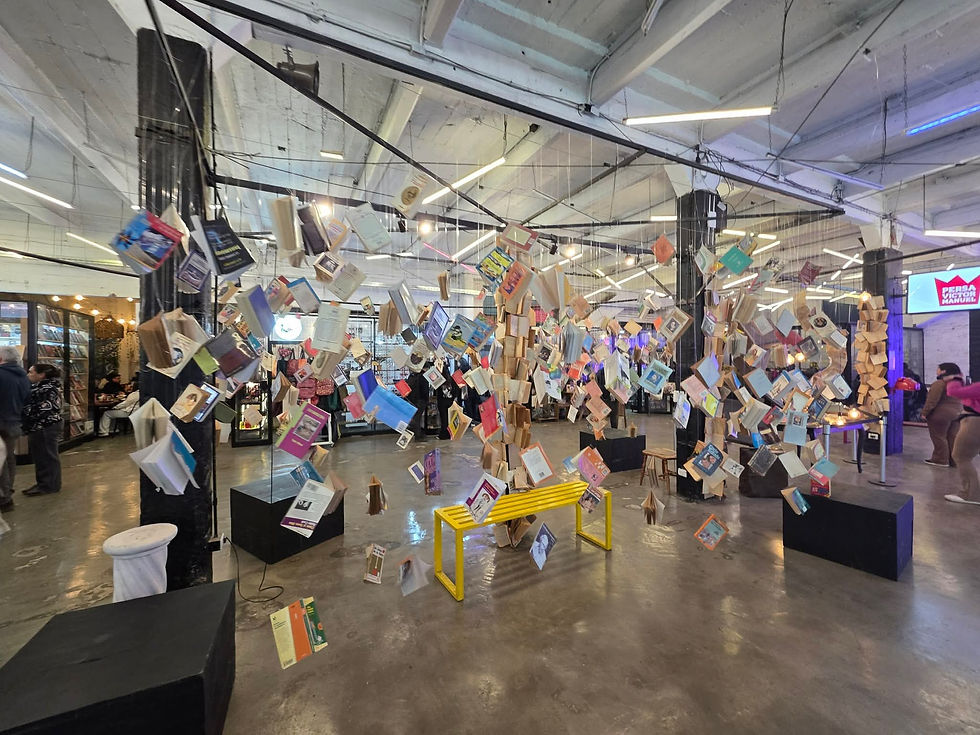
Vendors expanded into the enormous former industrial buildings and warehouses, and eventually into the surrounding streets.

We stood inside those enormous buildings and imagined the chaos of a very different working economy: animals coming in and not coming out, workers doing what they did every day, supplying meat to the growing city of Santiago.
Now those same spaces are packed with tiny shops and tables. Someone is selling old cameras. Someone else is selling jewelry. Lunch is being served nearby. Somewhere, apparently, there is a buyer for a stone rhinoceros.
Then you walk back outside. The market keeps going around the next corner.

Nothing about Persa Biobío feels curated. Not that there's anything wrong with curated. It's a place built by people making things, selling things, eating, working, and getting on with their lives.
Buy us a coffee ☕
We were going to find one anyway. If you’re enjoying Chris & Cathy’s adventures, you can help pay for the next cup—and whatever happens while we’re looking for it.
If you want to make it to Persa Bio Bio on the first try, you can book this tour..


Comments